

Busting common myths What every gambler should know about misconceptions
Busting common myths What every gambler should know about misconceptions
The Gambler’s Fallacy
One of the most prevalent misconceptions in gambling is the gambler’s fallacy, which is the belief that past events influence future outcomes. For instance, many players think that if a roulette wheel has landed on red several times in a row, black is “due” to occur. This misunderstanding stems from a fundamental misinterpretation of probability. Each spin of the wheel is an independent event, meaning previous outcomes have no bearing on what comes next. Additionally, understanding the psychological effects of gambling can enhance one’s approach, especially when engaging in online gambling real money.
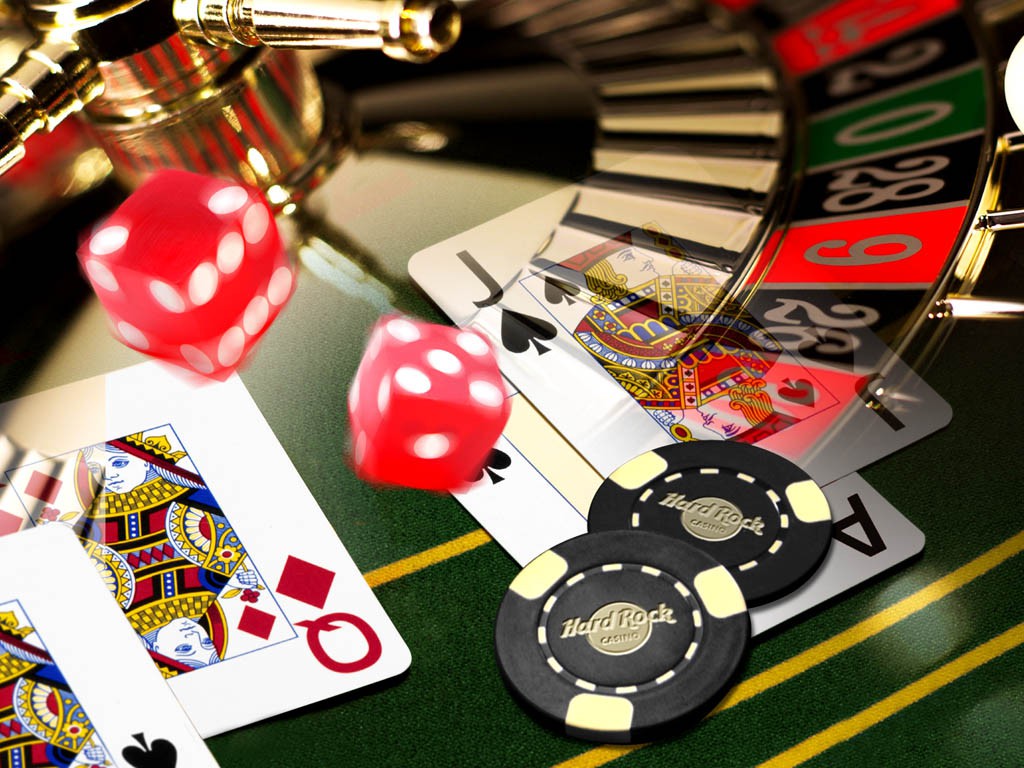
This myth can lead to significant losses, as gamblers may alter their betting strategies based on faulty logic. Understanding that randomness defines most gambling activities is crucial to making informed decisions and mitigating losses. Recognizing that each game operates independently can help maintain a more realistic approach to gambling.
Luck versus Skill
Another common misconception is the belief that gambling is solely based on luck. While luck plays a significant role in many games, skill can also be a determining factor. In games such as poker or blackjack, players can use strategy and knowledge to improve their odds. This distinction is essential, as it highlights that gamblers can enhance their chances through practice and informed decision-making.
Gamblers who understand the difference between luck and skill can better manage their expectations and approach to betting. By incorporating strategy into their gameplay, they can navigate the psychological aspects of gambling, leading to a more rewarding experience. Recognizing the balance of luck and skill empowers players to view gambling as a blend of entertainment and strategy, rather than mere chance.
The Myth of “Chasing Losses”
“Chasing losses” is a dangerous belief that many gamblers hold, thinking that they can recover their losses by increasing their bets. This misconception often leads to a cycle of deeper losses, as players become desperate to regain what they have lost. The emotional drive behind chasing losses can cloud judgment, leading to poor decision-making and riskier bets.
Understanding that losses are a part of gambling can help players develop a healthier mindset. Setting loss limits and sticking to a budget can help prevent the emotional rollercoaster that often accompanies gambling. By learning to accept losses as part of the game, players can maintain a more balanced perspective and enjoy gambling as a form of entertainment, rather than a means of financial recovery.
The Illusion of Control
Many gamblers fall victim to the illusion of control, believing they can influence the outcome of games, particularly in games of chance. This belief can stem from a desire to feel empowered in a situation that is inherently unpredictable. However, understanding that most gambling activities are based on chance can help alleviate unnecessary stress and anxiety.
Acknowledging the role of chance allows players to approach gambling with a clear mindset. It encourages enjoyment of the experience rather than an obsession with outcomes. Players who recognize the limitations of their influence can focus on enjoying the game rather than stressing over results, ultimately leading to a more positive gambling experience.
Importance of Responsible Gambling
Responsible gambling is a fundamental concept that every gambler should understand. Misconceptions about gambling often contribute to harmful behaviors, which can lead to addiction and financial issues. Educating oneself about the risks and establishing boundaries can significantly enhance the gambling experience.
Understanding the importance of self-control and moderation is critical. By engaging in responsible gambling practices, players can enjoy their time without facing adverse consequences. Resources and tools are available to help gamblers maintain a balanced approach, ensuring that gambling remains a pleasurable activity rather than a source of stress or hardship.